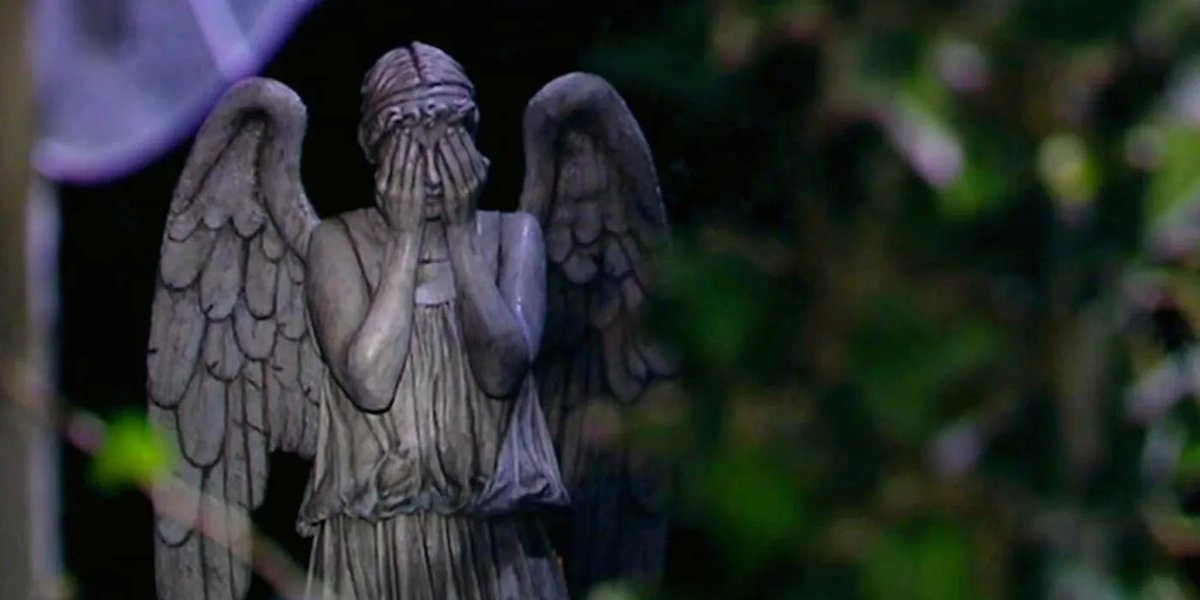
If you've ever dipped even a toe into the vast, swirling vortex of Doctor Who fandom, you've almost certainly heard whispers (or shouts) about "Blink." It's the episode that introduced the terrifying Weeping Angels, made us afraid to close our eyes, and redefined what a "Doctor-lite" episode could achieve. Indeed, it's so universally acclaimed that the show itself, in a meta moment during Ncuti Gatwa's Fifteenth Doctor era, essentially canonized "Blink" as the definitive best.
But here’s the thing about a show as old, as varied, and as utterly brilliant as Doctor Who: one "best" episode, no matter how iconic, can never capture the full scope of its genius. While "Blink" rightfully holds its place in the pantheon, focusing solely on it means missing out on an entire universe of equally powerful, innovative, and heartbreaking stories. This guide dives into the Top Doctor Who Episodes Beyond "Blink" – the unsung heroes, the emotional gut-punches, the lore-shattering revelations, and the sheer narrative audacity that make this series an enduring phenomenon.
At a Glance: Your Guide to Gallifrey's Other Gems
- "Blink" is a masterpiece, but it's just the tip of the TARDIS. The new era (since 2005) is packed with other incredible episodes.
- Expect a rollercoaster of emotions. From tearful goodbyes to moments of pure joy and existential dread.
- Meet unforgettable villains and learn shocking truths about the Doctor's past and the universe itself.
- Experience groundbreaking performances from every Doctor and their companions.
- These episodes aren't just great TV; they’re cornerstones of modern sci-fi storytelling.
Beyond the Angels' Gaze: Why "Blink" Isn't the Only Masterpiece
Let's be clear: "Blink" (Season 3, Episode 10) is phenomenal. Written by Steven Moffat and airing in 2007 during David Tennant's Tenth Doctor run, it’s a masterclass in tension. It gave us the chilling Weeping Angels – stone statues that only move when you’re not looking – instantly cementing them as one of the most terrifying villains alongside the Daleks and Cybermen. The episode's unique "Doctor-lite" format, necessitated by Tennant's other filming commitments, forced creative storytelling, giving Carey Mulligan's Sally Sparrow ample space to shine. It also gifted us the iconic "Timey-wimey" line and a brilliant two-way communication twist. If you haven't seen it in a while, it's always worth a rewatch. You can even watch Doctor Who Blink and experience its magic again.
But Doctor Who, which originally premiered in 1963 and began its new era in 2005, is a show defined by constant change, bold ideas, and a willingness to reinvent itself. It's a show that embraces the vastness of time and space, exploring complex human (and alien) emotions across countless worlds. To truly appreciate its depth, you need to journey beyond that singular, perfect episode. You need to explore the other narratives that have shaped its legacy, broken our hearts, and expanded our understanding of the Time Lord.
From Christopher Eccleston's Ninth Doctor through Jodie Whittaker's Thirteenth and into the current era with Ncuti Gatwa, the series has consistently delivered standalone gems and epic sagas that deserve your attention. Let's delve into some of the very best.
Rewriting History: Episodes That Redefined the Lore
Doctor Who isn't afraid to play with its own mythology. These episodes didn't just tell great stories; they fundamentally altered our perception of the Doctor, the Time Lords, and the very fabric of the universe.
"Fugitive of the Judoon" (Season 12, Episode 5)
This Thirteenth Doctor (Jodie Whittaker) episode landed like a bombshell, shattering decades of established lore. What begins as a seemingly routine alien hunt quickly unravels into a revelation that sends ripples across the Doctor's entire history. The introduction of Ruth, played by Jo Martin, as an unknown past incarnation of the Doctor was a stunning twist. It presented a Time Lord who actively worked against Gallifrey, leading a life entirely separate from what we thought we knew. This episode wasn't just a thrilling adventure; it was a defiant challenge to the show's own origins, forcing fans to question everything they understood about the Doctor's timeline. Its impact is still being felt, proving that even after nearly 60 years, the show can still surprise its most devoted viewers.
"The Day of the Doctor" (50th Anniversary Special)
A monumental achievement, this 50th-anniversary special united three Doctors: David Tennant (Tenth), Matt Smith (Eleventh), and the War Doctor (John Hurt). It finally addressed the darkest chapter in Time Lord history – the Time War – and offered a spectacular, hopeful resolution. The return of Billie Piper (not as Rose, but as the sentient interface of the Bad Wolf) and a delightful cameo from Tom Baker as the Curator were nostalgic treats. The moment all thirteen (at the time) Doctors appeared together, culminating in Peter Capaldi's surprise eyes, was pure, unadulterated fan service executed with narrative precision. It wasn't just a celebration of the show's past; it was a grand re-affirmation of the Doctor's core identity as a hero who saves, rather than destroys.
"A Good Man Goes to War" (Season 6, Episode 7)
This mid-season finale, primarily featuring Matt Smith's Eleventh Doctor, is a tour de force of narrative reveal and emotional weight. It built up the legend of the Doctor, showcasing how his reputation as a benevolent force could also inspire fear in his enemies. The episode masterfully orchestrated a massive conflict, bringing back familiar faces and showing the Doctor's fierce loyalty to his companions. But its biggest bombshell was the long-awaited reveal of River Song's (Alex Kingston) true identity – a twist that re-contextualized her entire relationship with the Doctor and set the stage for many future stories. It's a testament to the show's ability to weave intricate, long-form mysteries with explosive, satisfying payoffs.
Heartbreak & Heroism: Iconic Farewells and Emotional Peaks
Doctor Who understands that with every new beginning comes an end. These episodes delivered some of the most poignant, tear-jerking, and ultimately heroic goodbyes in television history, solidifying the emotional bond between the Doctor and their companions.
"Doomsday" (Season 2, Episode 13)
For many, this is the benchmark for a heartbreaking Doctor Who finale. Featuring David Tennant's Tenth Doctor and Rose Tyler (Billie Piper), it brought together two of the show's most iconic adversaries – the Daleks and the Cybermen – in an all-out war. However, the true devastation came from the impossible choice the Doctor and Rose faced: eternal separation across parallel universes. Their final, tearful goodbye at Bad Wolf Bay, with Rose confessing "I love you" and the Doctor unable to finish his own reciprocation, remains one of the most emotionally resonant moments in the show's history. It’s a powerful exploration of love, loss, and the sacrifices heroes must make.
"The Angels Take Manhattan" (Season 7, Episode 5)
Steven Moffat once again brought the Weeping Angels back for the devastating farewell of Amy Pond (Karen Gillan) and Rory Williams (Arthur Darvill). Set in 1930s New York, the episode trapped the Ponds in a fixed point in time, forever out of the Doctor's reach. The sheer tragedy of Rory being sent back by an Angel, only for Amy to make the courageous and heart-wrenching choice to follow him, creating their own full-circle ending, left millions of viewers in tears. It showcased the depth of their love story and the Doctor's profound loneliness, proving that even a powerful Time Lord can't always defy fate.
"Journey's End" (Season 4, Episode 13)
This epic crossover brought together nearly every companion from the new era – Rose, Martha, Donna, Captain Jack, Sarah Jane, and even Mickey and Jackie – to face a universe-ending threat from the Daleks. It was a celebration of the Doctor's impact on others, showcasing a true united front. The episode featured a controversial "regeneration twist" that allowed David Tennant to effectively save himself while creating a new, human version of himself for Rose. It offered a bittersweet "happily-ever-after" for Rose, allowing her to live a normal life with a version of the man she loved, while leaving the Doctor once again alone. It's a huge, bombastic, and deeply emotional finale that truly felt like the culmination of four seasons.
"Father's Day" (Season 1, Episode 8)
An early Ninth Doctor (Christopher Eccleston) episode, "Father's Day" explored the powerful, dangerous temptation of changing the past. Rose, desperate to save her father from an untimely death, uses the TARDIS against the Doctor's warnings. Her actions create a paradox that threatens to unravel the entire timeline, unleashing monstrous Reapers. It’s a profound meditation on grief, regret, and the immutable nature of time. The episode culminates in a poignant, selfless act from Rose's father, solidifying the idea that while you can't change the past, you can find peace with it. It’s a beautifully written, character-driven piece that grounds the fantastical elements in raw human emotion.
Mind-Bending Terrors: When Fear Took Center Stage
While "Blink" has the Angels, Doctor Who has consistently delivered other terrifying, suspenseful, and psychologically unsettling episodes that linger long after the credits roll.
"Midnight" (Season 4, Episode 10)
This is Doctor Who at its most claustrophobic and terrifying. Trapped on a tour vehicle on the diamond planet Midnight, the Tenth Doctor faces an unknown entity that steals voices and begins to mimic the passengers. The brilliance of "Midnight" lies in its reliance on psychological horror rather than traditional monsters. The real villain isn't the alien, but the fear and paranoia that turn the passengers against each other and, chillingly, against the Doctor himself. It’s a masterclass in tension, demonstrating how easily humanity can descend into panic and mob mentality when faced with the unknown. David Tennant's performance is stellar as the Doctor is stripped of his authority and almost thrown to his death.
"Silence in the Library" / "Forest of the Dead" (Season 4, Episodes 8 and 9)
This two-part story is not only a fantastic sci-fi mystery but also a pivotal introduction for a character who would become central to the Doctor's life: River Song. It's the first time the Tenth Doctor meets her, but it’s her last time meeting him, a tragically entangled timeline that defines their relationship. The episodes also introduce the genuinely creepy Vashta Nerada – sentient shadows that strip flesh from bone, leaving behind only empty suits. The concept of shadows coming to life, combined with the mystery of the Library and River's fate, creates a chilling and emotionally resonant narrative. It’s a standout example of Steven Moffat's ability to craft intricate plots and unforgettable monsters.
"Wild Blue Yonder" (60th Anniversary Special)
In one of the 60th-anniversary specials, the reunited Fourteenth Doctor (David Tennant) and Donna Noble (Catherine Tate) find themselves in a truly unnerving scenario aboard an impossibly long, abandoned spaceship at the edge of the universe. The horror here comes from the "Not-Things," terrifying doppelgangers that slowly, subtly, and then horrifyingly mimic the Doctor and Donna, learning their mannerisms and trying to replace them. It's a masterclass in slow-burn dread and existential terror, playing on the deepest fears of identity and replacement. The episode also features the poignant final appearance of the beloved Bernard Cribbins as Wilf, adding a layer of bittersweet nostalgia to the chilling plot.
Unforgettable Encounters: Human Stories and Standout Performances
Sometimes, Doctor Who isn't about saving the universe, but about saving one person, or understanding a moment in time. These episodes shine a spotlight on human stories and feature extraordinary acting that elevates the material.
"Vincent and the Doctor" (Season 5, Episode 10)
This Eleventh Doctor (Matt Smith) episode is a beautiful, melancholic tribute to artist Vincent van Gogh, guest-starring Tony Curran in an incredibly moving performance. The Doctor and Amy (Karen Gillan) journey to 19th-century France to investigate a monster only Vincent can see. But the true heart of the episode lies in its sensitive exploration of mental illness and the burden of genius. The Doctor takes Vincent to the future to show him how celebrated his work becomes, leading to a heartbreakingly joyful moment. Yet, it poignant acknowledges that even with future validation, some fates cannot be changed. It’s a deeply empathetic story that showcases the show's ability to tackle profound themes with grace and compassion, often bringing viewers to tears.
"Heaven Sent" (Season 9, Episode 11)
Widely regarded as one of Peter Capaldi's finest moments as the Twelfth Doctor, "Heaven Sent" is a tour de force. Following the devastating loss of Clara, the Doctor is trapped alone in a mysterious castle, relentlessly pursued by a terrifying Veil creature. The episode is essentially a one-man show, with Capaldi delivering a phenomenal, almost silent performance as the Doctor cycles through grief, logic, and sheer defiance. He solves clues, punches a diamond wall for billions of years, and ultimately reveals a staggering twist about the nature of his imprisonment. It's a bold, experimental, and deeply philosophical episode that strips the Doctor down to his essence, proving his resilience and determination against impossible odds.
Grand Designs & Sweeping Sagas: The Big Picture Episodes
Some episodes serve as the linchpin for an entire season's arc, tying together disparate plot threads and delivering satisfying, expansive conclusions.
"The Big Bang" (Season 5, Episode 13)
This Eleventh Doctor (Matt Smith) season finale is a wild, complex, and ultimately triumphant culmination of a season-long mystery. Following the events of "The Pandorica Opens," the universe has been erased, and the Doctor is trapped. "The Big Bang" features a massive cosmic reset, the ingenious use of the TARDIS as a time-traveling paradox machine, and the bittersweet resolution of the Doctor's relationship with Amy and Rory. It delivers their long-awaited wedding and offers tantalizing hints about River Song’s identity. It's a testament to Steven Moffat's intricate plotting, requiring multiple viewings to fully appreciate its cleverness, yet always remaining emotionally grounded in the love story of Amy and Rory.
The Enduring Legacy: Why These Episodes Matter
The universe of Doctor Who is vast, filled with countless planets, creatures, and historical figures. While "Blink" remains a definitive gateway episode for many, the true depth and brilliance of the series lies in its diverse tapestry of storytelling. These Top Doctor Who Episodes Beyond "Blink" aren't just great sci-fi; they are testaments to masterful writing, incredible performances, and a limitless imagination.
From the gut-wrenching goodbyes of companions you grew to adore, to mind-bending paradoxes that challenge your perception of time, to chilling encounters with new forms of terror, these episodes stand as powerful reminders of why Doctor Who has captured hearts for decades. They offer a broader, richer, and more complete picture of the Doctor's journeys, their triumphs, and their profound sacrifices.
So, the next time you're looking for a dose of time-traveling adventure, don't just stop at the Angels. Dive deeper into the TARDIS, explore these phenomenal stories, and rediscover the boundless wonder of Doctor Who. You might just find a new favorite.